
As the years go by, many people begin to notice subtle shifts in their bodies — less energy, slower recovery, increased stiffness, or a gradual loss of strength. Aging is inevitable, but how we age is something we can influence dramatically. One of the most powerful tools in our arsenal to age well is resistance training. Often overlooked or underestimated, resistance training becomes even more vital as we grow older. And the benefits? Truly astounding.
Whether you’re in your 40s, 50s, 60s, or well beyond, it’s never too late to pick up a pair of dumbbells or start doing bodyweight exercises. In fact, the later you start, the more profound the benefits can be. Let’s explore why resistance training is such a game-changer in the journey of healthy aging.
What Is Resistance Training?
Resistance training, also known as strength training or weight training, involves exercises that cause your muscles to contract against an external resistance. This resistance could be weights (like dumbbells, barbells, or kettlebells), resistance bands, or even your own body weight.
Unlike cardio-focused exercises that elevate the heart rate and primarily improve cardiovascular endurance, resistance training is designed to build muscle strength, size, and endurance. It doesn’t mean bulking up like a bodybuilder — rather, it means building a stronger, more resilient body that supports your health and independence as you age.
Preserves and Builds Muscle Mass
One of the most noticeable effects of aging is sarcopenia — the gradual loss of muscle mass and strength. Starting as early as your 30s, muscle loss occurs at a rate of 3–8% per decade if left unaddressed, accelerating after the age of 60. This loss contributes to frailty, poor mobility, and increased risk of falls.
Resistance training is the most effective way to combat sarcopenia. It stimulates muscle protein synthesis and helps maintain lean muscle tissue. Even older adults who have never lifted weights before can build new muscle and regain lost strength.
Regular resistance training helps maintain muscle mass, ensuring greater mobility, independence, and function in everyday life.
Improves Bone Density and Reduces Risk of Osteoporosis
As we age, bone density naturally decreases, especially for postmenopausal women. This increases the risk of osteoporosis and fractures from minor falls.
Weight-bearing resistance exercises — such as squats, lunges, and overhead presses — place stress on bones, stimulating them to grow stronger and denser. This process, known as mechanical loading, is crucial in preventing bone loss and even reversing some of the damage.
Studies have shown that older adults who engage in consistent resistance training experience improved bone mineral density, particularly in the spine and hips — common areas affected by osteoporosis.
Enhances Balance and Coordination
Falls are one of the leading causes of injury and death in older adults. Strengthening the muscles, especially in the legs and core, improves balance, posture, and coordination.
Resistance training doesn’t just build muscle — it enhances neuromuscular control, or how efficiently your brain and body communicate during movement. The better this connection, the more stable and confident your body becomes in daily tasks, whether it’s climbing stairs, walking on uneven terrain, or standing up from a chair.
A stronger body is a more balanced body. Resistance training reduces the risk of falls and increases confidence in movement.
Boosts Metabolism and Aids Weight Management
As we lose muscle, our resting metabolic rate (RMR) declines. This means we burn fewer calories at rest, making weight gain easier and fat loss harder as we age.
Muscle is metabolically active tissue. The more lean muscle you have, the more calories you burn — even when you’re sitting still. Resistance training helps you preserve and increase that muscle mass, which in turn boosts your metabolism.
This becomes especially important for maintaining a healthy weight, managing body fat, and reducing the risk of metabolic disorders like type 2 diabetes.
Supports Joint Health and Reduces Chronic Pain
Joint stiffness and arthritis are common complaints among older adults. While it might seem counterintuitive to move painful joints, resistance training done properly can actually reduce joint pain and inflammation.
By strengthening the muscles around the joints, resistance training provides greater stability and support, reducing stress on the joint itself. It also promotes increased blood flow, which brings nutrients to cartilage and other joint tissues.
Many people with osteoarthritis, chronic back pain, or joint degeneration find that strength training improves their mobility and reduces daily discomfort.
Enhances Mental Health and Cognitive Function
The mind and body are deeply connected. As it turns out, what strengthens the body also benefits the brain.
Regular resistance training has been shown to improve cognitive function, reduce symptoms of depression and anxiety, and enhance mood in older adults. It helps regulate hormones like endorphins and dopamine, which contribute to a more positive mental state.
One study from the University of British Columbia found that seniors who engaged in resistance training twice a week performed better on cognitive tests than those who did not. These improvements extended to areas like decision-making, attention, and memory.
Improves Insulin Sensitivity and Blood Sugar Control
As people age, insulin resistance can increase, contributing to the risk of type 2 diabetes. Resistance training plays a critical role in regulating blood sugar levels by improving the way the body uses insulin.
Muscle cells use glucose for energy, so the more muscle mass you have, the more glucose your body can utilize efficiently. Resistance training enhances insulin sensitivity, making it easier to control blood sugar levels — even in individuals who already have type 2 diabetes or prediabetes.
Increases Independence and Quality of Life
Perhaps the most powerful reason to engage in resistance training as you age is the one that’s hardest to quantify: freedom.
Being able to carry groceries, climb stairs, travel, play with grandchildren, or enjoy recreational activities without pain or limitation is the essence of a high quality of life. Resistance training makes these activities easier and more enjoyable by preserving your physical autonomy.
Aging doesn’t have to mean giving up your favorite things — it just means you have to train smart to keep doing them.
Supports Heart Health
While cardio has long been the poster child for heart health, resistance training plays an important role too. It helps:
-
Lower blood pressure
-
Improve circulation
-
Reduce LDL (bad) cholesterol
-
Increase HDL (good) cholesterol
-
Reduce systemic inflammation
These benefits collectively reduce the risk of cardiovascular disease — the leading cause of death worldwide.
The American Heart Association now recommends that adults do strength training at least twice a week for overall heart and metabolic health.
It’s Never Too Late to Start
One of the most encouraging findings in recent health research is that older adults can build muscle at any age. Whether you’re 40 or 90, your body responds to resistance training with strength gains, improved balance, and increased vitality.
There are countless stories of people starting weight training in their 70s or even 80s and transforming their bodies and lifestyles. And you don’t have to become a gym rat — even simple bodyweight routines or light resistance bands can produce impressive results over time.
Getting Started Safely
If you’re new to resistance training, especially as an older adult, start with these tips:
-
Consult your doctor before beginning a new exercise program, especially if you have chronic conditions.
-
Start slowly with light weights or bodyweight exercises.
-
Focus on form and control — avoid fast or jerky movements.
-
Include rest days between sessions to allow recovery.
-
Aim for two to three sessions per week, targeting all major muscle groups.
-
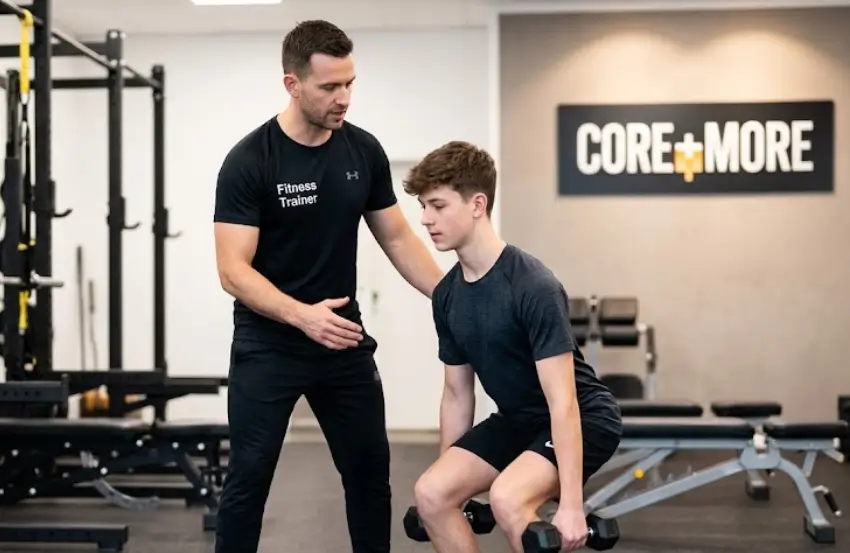
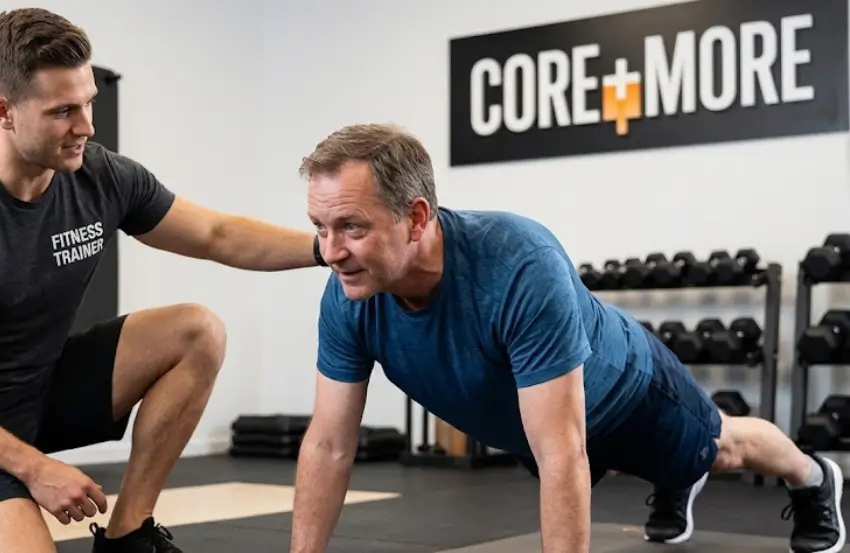
Consider working with a personal trainer experienced with older clients.
-
Don’t forget to warm up and stretch to maintain flexibility and prevent injury.
Final Thoughts
The benefits of resistance training as you get older are truly astounding. From stronger muscles and bones to better balance, brain function, and metabolic health, the rewards are immense — and they extend far beyond the gym.
Aging is not a decline, but a shift. And with resistance training in your routine, you can shift toward strength, vitality, and independence.
No matter your age or starting point, your body is capable of more than you imagine. The best time to start was yesterday. The second-best time? Today.