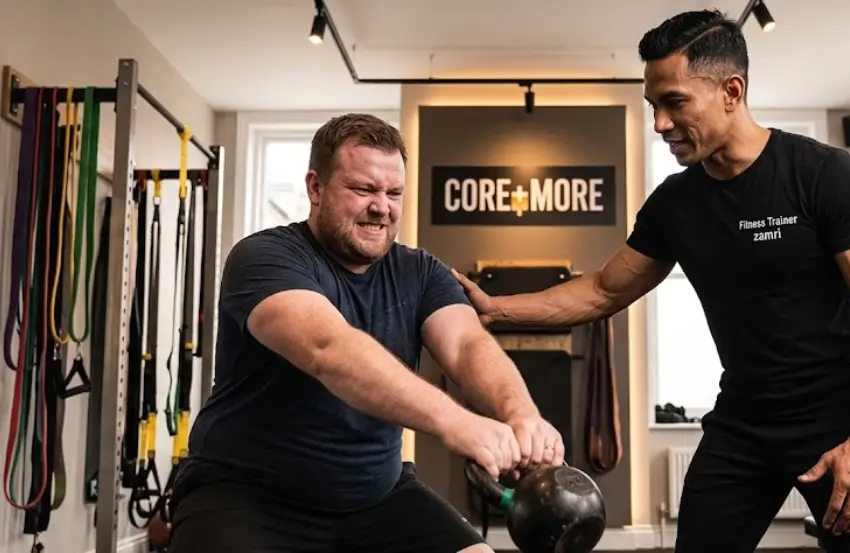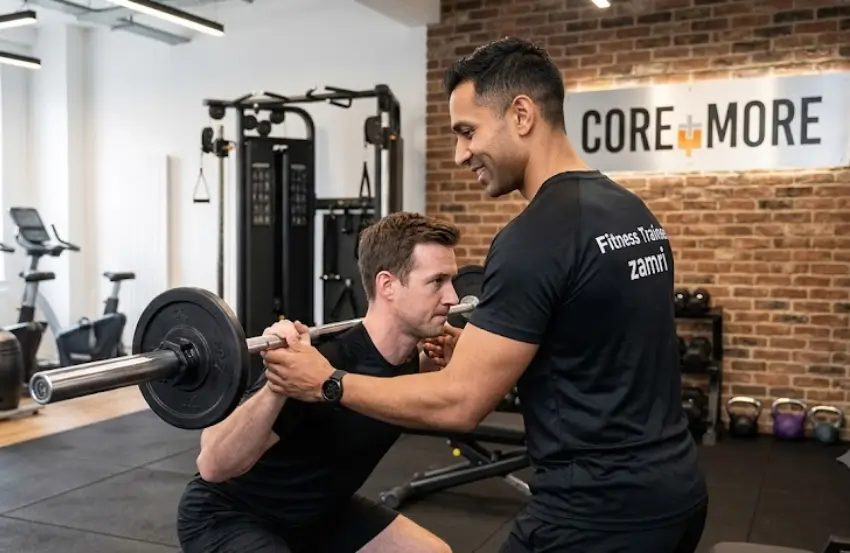
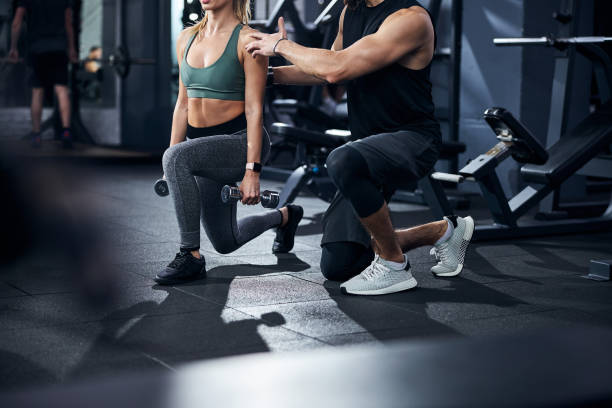
A postural assessment with a personal trainer in Clapham is one of the smartest investments you can make in your long-term health. Many people train hard but unknowingly reinforce poor movement patterns that lead to pain, injury, and stalled progress. At Core and More Fitness, our expert Clapham personal trainers carry out thorough postural assessments to identify imbalances, weaknesses, and alignment issues before they become serious problems. Because prevention is far more effective than cure, starting with a proper assessment gives your entire training programme a solid, evidence-based foundation.
What Is a Postural Assessment and Why Does It Matter?
A postural assessment is a structured evaluation of how your body holds itself at rest and during movement. Your personal trainer in Clapham will observe your standing posture, the alignment of your spine, the position of your hips and shoulders, and how your joints move under load. Furthermore, the assessment identifies muscular imbalances, areas of tightness, and weaknesses that may not yet cause pain but are likely to cause problems over time.
Poor posture is extremely common in today’s world. Long hours at a desk, excessive screen time, and sedentary commutes all contribute to rounded shoulders, a forward head position, and a tight, underactive posterior chain. As a result, many people who begin training without an assessment simply reinforce these dysfunctional patterns with every rep they perform. A structured postural evaluation changes that.
Therefore, a postural assessment is not just for people with back pain or injuries. It benefits everyone, from beginners starting their fitness journey to experienced athletes looking to optimise performance and reduce their injury risk over the long term.
How a Postural Assessment Personal Trainer in Clapham Evaluates You
At Core and More Fitness, our trainers use a systematic, multi-point approach to postural assessment. The process begins with a detailed conversation about your training history, lifestyle habits, any existing pain or discomfort, and your goals. This context is essential because posture is shaped by everything you do throughout the day, not just what happens in the gym.
Static Postural Analysis
Your trainer will observe your standing posture from the front, side, and back. They look at the position of your head relative to your shoulders, the curve of your lumbar and thoracic spine, the level of your hips, and the alignment of your knees and feet. Even subtle deviations from neutral alignment can indicate underlying tightness or weakness that needs addressing.
Dynamic Movement Screening
Static analysis tells only part of the story. Additionally, your trainer will assess how your body moves through key functional patterns such as a bodyweight squat, a hip hinge, a push, and a pull. This dynamic screening reveals compensations that only appear under load or during movement. For example, knees that cave inward during a squat often indicate weak glutes and tight hip flexors, which a static assessment alone may not fully reveal.
Muscle Length and Joint Mobility Testing
Your trainer will also assess the flexibility and length of key muscle groups, including the hip flexors, hamstrings, thoracic spine, and shoulder girdle. In addition, joint mobility at the ankle, hip, and thoracic spine is evaluated because restrictions in these areas commonly force other structures to compensate, leading to overuse injuries over time.
Common Postural Issues Identified by Our Clapham Personal Trainers
Through years of working with clients across Clapham, Battersea, Brixton, and Wandsworth, the team at Core and More Fitness has identified several postural patterns that appear repeatedly. Understanding these patterns helps you appreciate why a structured assessment is so valuable.
Upper Crossed Syndrome
This pattern involves tight chest muscles and a tight upper trapezius combined with weak deep neck flexors and weak lower trapezius. The result is rounded shoulders, a forward head position, and a hunched upper back. It is incredibly common among people who spend long hours at a desk. However, with the right corrective exercise programme, it is highly reversible.
Lower Crossed Syndrome
Lower crossed syndrome involves tight hip flexors and an overactive lumbar erector spinae on one side of the cross, paired with weak glutes and a weak core on the other. This creates an excessive anterior pelvic tilt and an exaggerated lumbar lordosis. Because this pattern places enormous stress on the lower back, it is a leading contributor to chronic lower back pain among gym-goers and office workers alike.
Knee Valgus
Knee valgus, where the knees collapse inward during movement, is a common finding during dynamic screening. It typically reflects weak glutes, tight hip adductors, and poor ankle mobility. Left unaddressed, it significantly increases the risk of knee injuries including ACL tears, patellofemoral pain, and IT band syndrome. Furthermore, it reduces force transfer during exercises like squats and lunges, limiting the results you can achieve from your training.
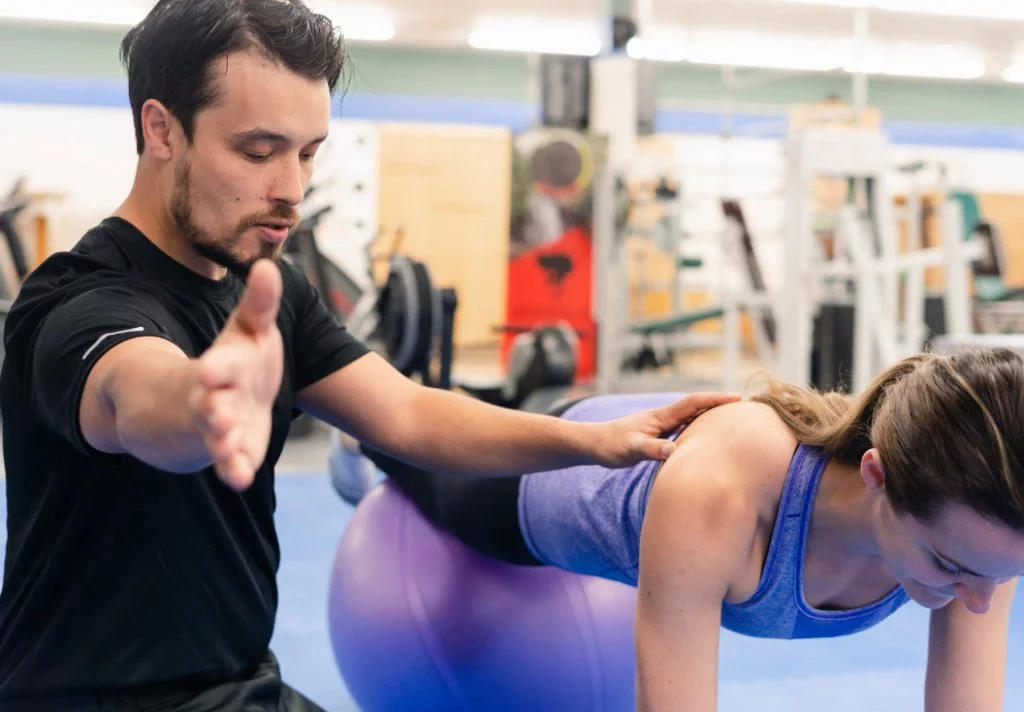
How a Postural Assessment Shapes Your Entire Training Programme
The real power of a postural assessment comes in how it informs everything that follows. Rather than applying a generic template, your Clapham fitness coach uses the assessment findings to design a training programme that is specifically tailored to your body’s unique needs. This makes your training significantly more effective and far safer.
For example, if your assessment reveals tight hip flexors and weak glutes, your trainer will prioritise hip mobility work and targeted glute activation before progressing to heavy compound lifts. Similarly, if thoracic stiffness is identified, corrective mobility drills will be incorporated into every warm-up. In contrast, a one-size-fits-all approach would likely skip these steps entirely, leaving the root causes of poor movement unaddressed.
Additionally, the assessment data provides a measurable baseline. Therefore, as your training progresses, your trainer can repeat elements of the assessment to track genuine, objective improvements in your posture and movement quality. This gives you clear evidence that your programme is working beyond just how you look and feel.
According to NHS guidance on exercise and health, regular physical activity tailored to individual needs provides significant long-term health benefits. A postural assessment ensures your activity is matched to your specific physiology from the very beginning.
Why Choose Core and More Fitness for a Postural Assessment Personal Trainer in Clapham
Core and More Fitness is a boutique private personal training studio based in Clapham, serving clients from across South London including Battersea, Wandsworth, Brixton, Balham, Tooting, and Stockwell. Our studio environment is private, focused, and entirely free from the distractions and intimidation of a commercial gym. Every session is conducted one-on-one, which means your trainer’s full attention is on you at every moment.
Our trainers hold recognised qualifications in personal training, strength and conditioning, and movement assessment. Furthermore, we stay current with the latest evidence in exercise science and rehabilitation to ensure our methods are both effective and safe. We work closely with physiotherapists and sports medicine professionals when appropriate, ensuring a genuinely joined-up approach to your wellbeing.
We also offer a full range of complementary services including injury rehabilitation personal training and mobility training, which often work hand-in-hand with postural correction. Because our team takes a holistic view of your health, we can seamlessly integrate postural assessment into a broader long-term development plan.
The Chartered Institute for the Management of Sport and Physical Activity (CIMSPA) sets the professional standards for fitness professionals in the UK. All of our Clapham personal trainers are trained to these high standards, giving you confidence that your postural assessment is grounded in current, evidence-based practice.
Frequently Asked Questions
How long does a postural assessment with a personal trainer in Clapham take?
A thorough postural assessment typically takes between 45 and 60 minutes. At Core and More Fitness, we integrate the assessment into your initial consultation so that you leave with a clear understanding of your posture, any identified imbalances, and a preliminary outline of how your training programme will address them. This time investment at the start pays significant dividends throughout the rest of your training journey.
Do I need to have pain or an injury to benefit from a postural assessment?
Absolutely not. In fact, many of our most successful postural assessment clients come to us with no pain at all. They simply want to ensure they are training safely and efficiently from the outset. A postural assessment is equally valuable for beginners, intermediate gym-goers, and experienced athletes. It helps prevent injuries before they happen and ensures your programme is built on a sound movement foundation from day one.
How quickly will I see improvements after a postural assessment in Clapham?
Many clients notice meaningful improvements in their posture and movement quality within four to eight weeks of following a corrective programme. However, the timeline depends on the severity of the imbalances identified, how consistently you train, and how diligently you apply corrective exercises outside of sessions. Your personal trainer in Clapham will set realistic expectations and track your progress at regular intervals to keep your programme on course.
Can a postural assessment help with chronic back pain?
Yes, a postural assessment can be extremely helpful for people experiencing chronic back pain because it identifies the underlying movement dysfunctions and muscular imbalances that are frequently contributing to the problem. However, we always recommend that clients with existing medical conditions or significant pain speak with their GP or physiotherapist before beginning a new training programme. Our trainers work collaboratively with healthcare professionals to ensure your safety and wellbeing throughout your training.
Is a postural assessment included in the cost of personal training at Core and More Fitness?
Yes, at Core and More Fitness the postural assessment is included as part of your initial onboarding process when you begin personal training. We believe it is a non-negotiable part of delivering genuinely effective training. Rather than treating it as an optional add-on, we incorporate it into every new client journey because it is fundamental to building a programme that truly works for your unique body and goals.
Ready to take the first step toward better movement and a pain-free, high-performing body? Contact Core and More Fitness today to book your postural assessment with a personal trainer in Clapham and find out exactly how we can help you move, feel, and perform better than ever before.