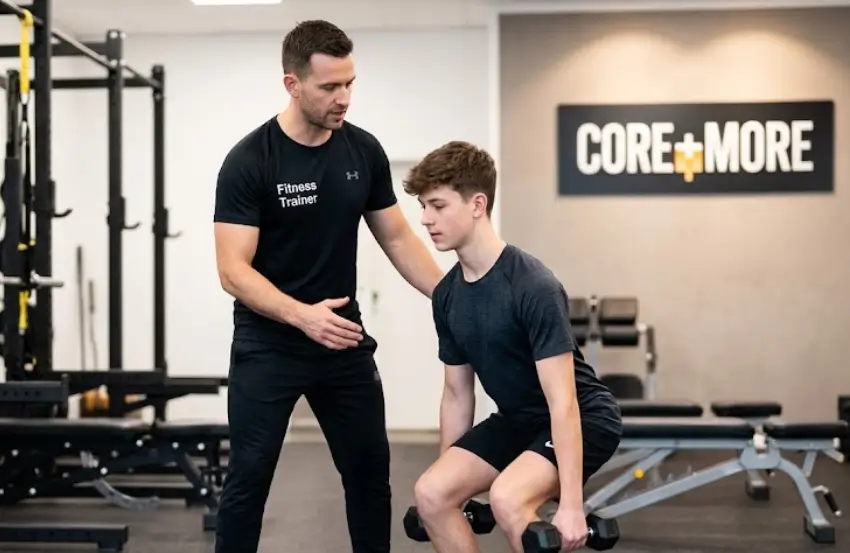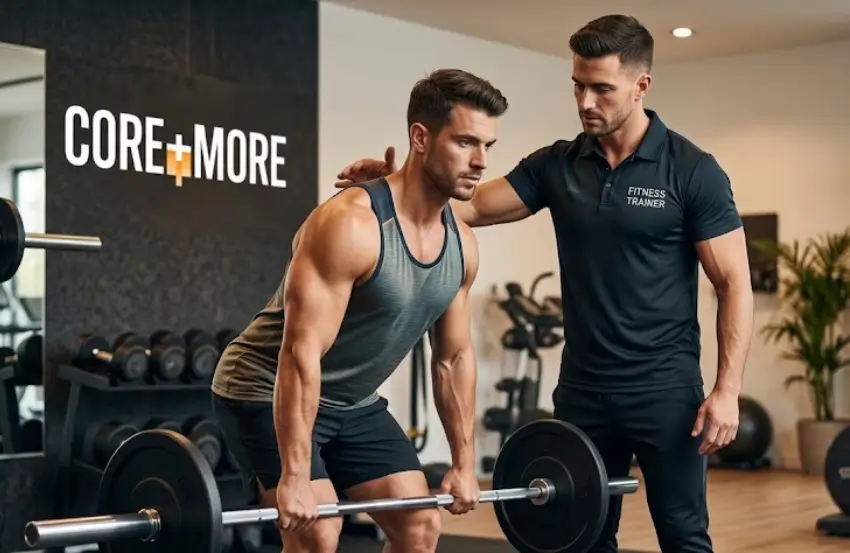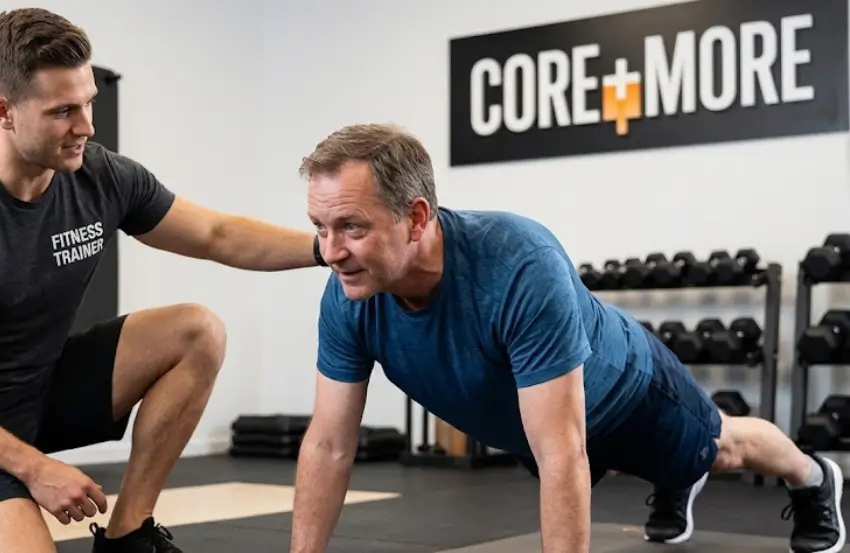
The fitness industry has a qualification problem: holding a Level 3 PT diploma proves competence, but it doesn’t guarantee quality. The best coaches share a set of qualities that go well beyond their certificates. This post identifies what to look for — and what separates a great coach from a merely qualified one.
1. They Listen More Than They Talk
A great coach’s first job is to understand you: your goals, your history, your lifestyle, your preferences, your fears. Coaches who arrive at a first consultation with a script and a pre-packaged programme before they’ve learned anything about you are not listening — they’re selling.
Expect a great coach to ask more questions than they answer in your first meeting.
2. They Explain Their Reasoning
You shouldn’t have to take your trainer’s word for why you’re doing what you’re doing. A great coach can explain the rationale behind every exercise in your programme — why this movement, why this load, why this sequence. This transparency builds trust and helps you develop your own understanding of training over time.
3. They Give Honest Feedback
A great coach tells you what you need to hear, not what you want to hear. If your squat technique needs work, they say so — clearly and constructively. If the diet change you’re considering isn’t evidence-based, they push back. If your expectations of the timeline are unrealistic, they set you straight from the start.
Flattery from a trainer is a red flag, not a service.
4. They Adapt to You
No programme survives contact with real life unchanged. A great coach adapts — when you’re injured, when your sleep has been terrible, when life stress is high, when you’re ahead of schedule and can be pushed harder. Rigid adherence to a plan regardless of your state is not coaching; it’s instruction delivery.
5. They Track Everything
Great coaches keep records: your weights, your reps, your movement assessments, your body measurements if relevant, your subjective feedback. Progress in strength training is measured over months and years — having an objective record of your starting point and trajectory is essential.
6. They Continue Learning
The evidence base for exercise science continues to evolve. Great coaches invest in continuing education — additional qualifications, courses, seminars, reading peer-reviewed research. The best coaches are still genuinely curious about their profession after years of practice.
7. They Care About Long-Term Results, Not Dependency
The goal of a great coach is to make you more capable, more knowledgeable, and more self-sufficient over time — not to make you dependent on their services indefinitely. The best coaching relationships are ones where the client grows in understanding and confidence alongside their physical progress.
Find Your Coach at Core and More Fitness in Clapham
Book a free consultation and see whether our approach matches what you’re looking for. No commitment required — just a conversation.